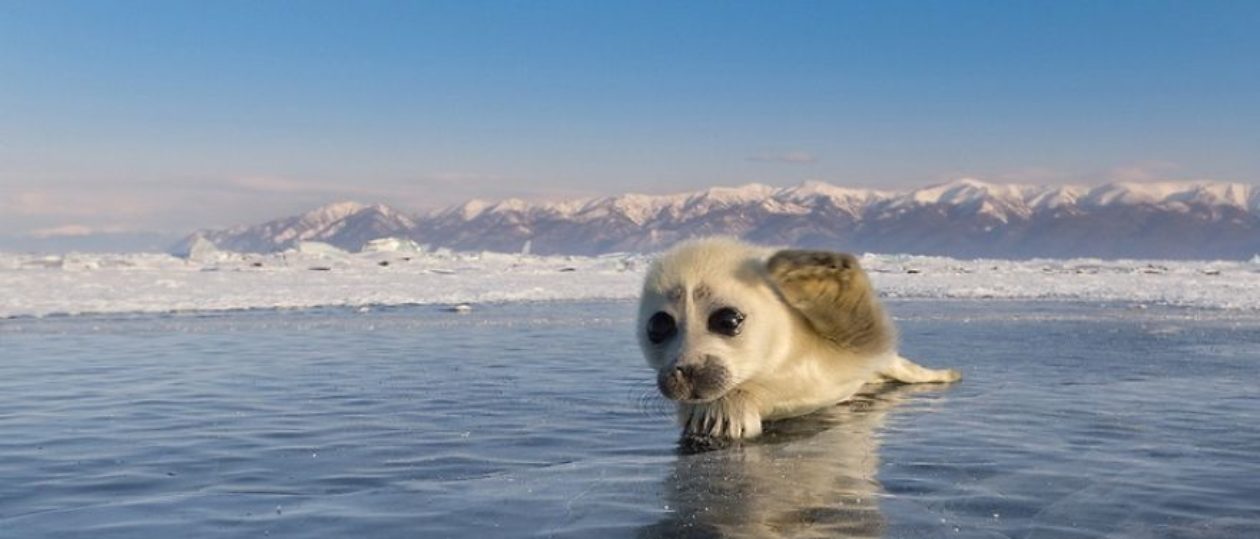
To say we are living in challenging times is an understatement. We are witnessing great tragedies among us and are facing many divides. What I would like to say is that we are all in this world together. We may not have the same beliefs or backgrounds but we all wish to be safe, we all wish to be loved, and we all wish to have a home. That goes for human beings and animals alike.
Fires are whipping through California destroying homes, crops, and killing animals. COVID-19 has taken many loved ones away from us. And artists, the ones who inspire and uplift us, are struggling to make a living and pay their rent. I urge you to support them, as it is the painters, musicians, actors, and dancers who touch us and make us better people.
Go buy a piece of art directly from an artist such as Donna Grande. Her art is stunning and the link is below! Donate money to a struggling performing arts group or an animal welfare organization like the World Wildlife Fund. Please do something –whether you spend a dollar or $2,000. Just make a positive difference. Lives are in your hands.
There is no doubt, we are living through a historic moment
in time and our whole way of being in the world is being challenged because of
COVID-19. Some people have already lost
their lives and we are all struggling to find order in the midst of the
anxiety-producing situation at hand. May
we remember that kindness is a gift we can all afford to give and that nature
is and can be a balm to our souls.
Ann Frank, a young Jewish girl who was forced into hiding
for two years during the Nazi occupation of the Netherlands, said it well, “The
best remedy for those who are afraid, lonely, or unhappy is to go outside,
somewhere where they can be quiet, alone with the heavens, nature and God. Because only then does one feel that all is
as it should be and that God wishes to see people happy, amidst the simple
beauty of nature.”
Urge elected politicians and government agencies
to support policies—such as ivory bans and other restrictions on wildlife
trade—that protect animals. Your voice
matters!
Visit a national wildlife refuge, park, or other
open space and learn about the endangered species and other animals that live
there. Stay informed and support policies that keep these areas wild and
protect native species.
The Endangered Species Act has proven to be an
effective safety net for imperiled species—extinction has been prevented for
more than 98 percent of the animals under its care. Urge your elected officials
to preserve the important safeguards in the Act.
One of the easiest and most effective ways to
help wildlife is to preserve the environment in which the animals live.
Participate in or hold your own local trash
clean-up to help protect the habitats of endangered species and other wildlife.
Reduce, reuse, and recycle!
Save energy. Driving less, using energy efficient
vehicles and appliances, and simply turning off the lights when you leave a
room reduce energy use. Many power plants rely on coal and other fossil fuels
that damage animal habitats when they are extracted and pollute the environment
and contribute to climate change when they are burned.
Plant native flowers, trees, and bushes in your
backyard. This gives local wild animals food, shelter, and a place to raise
families. Avoid chemical pesticides and fertilizers.
If you see an animal at the park, on a nature
trail, or near a water source, let them be and do not remove them from their
environment. These animals survive best in their own habitat. Take a picture
instead.
Be An Educated Consumer and Think before you buy. Learn more about consumer choices that are
better for animals and the environment.
I thought it would be time for some good news, something inspiring and hopeful. I recently read about a Brazilian man and his wife who planted over 4 million trees to replant 1,502 acres of forest! It was so good to hear about someone doing beneficial for the planet, instead of destroying it. It took Sebastiao Salgado, Lelia Deluiz, and more than 24 workers about twenty years to do so and the results have been amazing. An area which was barren is now flourishing with 172 species of birds, 33 species of mammals, 293 species of plants, 15 reptile species and 15 reptile species. And there are now 8 natural springs which had previously dried up, hydrating a drought prone area. When humans work with Mother Nature, creation and rejuvenation spring eternal.
Here is what Greta Thunberg said at the UN on September 23rd and she was spot on target.
“This is all wrong. I
shouldn’t be up here. I should be back in school, on the other side of
the ocean. Yet you all come to us young people for hope. How dare you!
“You have stolen my dreams, and my childhood, with your empty words.
And yet I’m one of the lucky ones. People are suffering. People are
dying. Entire ecosystems are collapsing. We are in the beginning of a
mass extinction, and all you can talk about is money, and fairy tales of
eternal economic growth. How dare you!
“For more than 30 years,
the science has been crystal clear. How dare you continue to look away,
and come here saying that you’re doing enough, when the politics and
solutions needed are still nowhere in sight.
“You say you hear us
and that you understand the urgency. But no matter how sad and angry I
am, I do not want to believe that. Because if you really understood the
situation and still kept on failing to act, then you would be evil. And
that I refuse to believe.
“The popular idea of cutting our
emissions in half in 10 years only gives us a 50% chance of staying
below 1.5 degrees [Celsius], and the risk of setting off irreversible
chain reactions beyond human control.
“Fifty percent may be
acceptable to you. But those numbers do not include tipping points, most
feedback loops, additional warming hidden by toxic air pollution or the
aspects of equity and climate justice. They also rely on my generation
sucking hundreds of billions of tons of your CO2 out of the air with
technologies that barely exist.
“So a 50% risk is simply not acceptable to us — we who have to live with the consequences.
“To have a 67% chance of staying below a 1.5 degrees global temperature
rise – the best odds given by the [Intergovernmental Panel on Climate
Change] – the world had 420 gigatons of CO2 left to emit back on Jan.
1st, 2018. Today that figure is already down to less than 350 gigatons.
“How dare you pretend that this can be solved with just ‘business as
usual’ and some technical solutions? With today’s emissions levels, that
remaining CO2 budget will be entirely gone within less than eight and a
half years.
“There will not be any solutions or plans presented
in line with these figures here today, because these numbers are too
uncomfortable. And you are still not mature enough to tell it like it
is.
“You are failing us. But the young people are starting to
understand your betrayal. The eyes of all future generations are upon
you. And if you choose to fail us, I say: We will never forgive you.
“We will not let you get away with this. Right here, right now is where
we draw the line. The world is waking up. And change is coming, whether
you like it or not.
Please join the Global Climate Strike on Friday, September 20th. Greta Thunberg, who I featured in an earlier blog, will be there. Climate change affects all of us, and we have to stand up for the animals and children of this world.
WHERE: Union Square, NY, NY
WHEN: 12pm, September 20, 2019
WHO: You, your friends, your family, your co-workers
Most of us know we need to recycle plastics and put our used
containers into a recycling bin. But are
we getting it right? And where does all
of our plastic waste go? Many people
think it gets recycled and used again.
This is not true. According to the
Guardian newspaper, hundreds of
thousands of tons of plastic gets shipped to countries such as Bangladesh,
Laos, Vietnam, Senegal and Ethiopia
-some of the poorest places in the world. The United States produces 34.5 million tons
of plastic each year, enough to fill a large football stadium 1,000 times.
So, what can you do?
Bring your own coffee mug or reusable container to the coffee shop. The single use cup you normally receive is
not recyclable. Wash your dirty plastic
containers before putting them in the recycle bin, but more importantly, do not
buy food sold in them. Buy loose
strawberries, for example, instead of the ones in a plastic box. Stop using plastic bags, use cloth ones
instead. And just because you see a
recycling symbol, it does not mean the product can be recycled. Don’t fall for that marketing gimmick. Usually, numbers 1 and 2 are the products
which can be recycled.
On Monday, April 15, 2019 a sixteen year old schoolgirl from
Sweden said politicians were failing to take enough action on climate change
and the threats to the natural world.
She told a room full of MEPs and EU officials in Strasbourg,
“Our house is falling apart and our leaders need to start acting accordingly
because at the moment they are not.”
When the young climate activist spoke of a “sixth mass
extinction”, her voice faltered. “The extinction rate is up to six times faster
than what is considered normal, with up to 200 species becoming extinct every
single day,” she said. “Erosion of fertile topsoil, deforestation of the
rainforest, toxic air pollution, loss of insects and wildlife, acidification of
our oceans – these are all disastrous trends.”
Who is Greta Thunberg?
Greta Thunberg gained notice when she began a solo climate
protest by striking from school in Sweden in August of 2018. She has since been
joined by tens of thousands of school and university students in Australia,
Belgium, Germany, the United States, Japan and more than a dozen other
countries.
In December of 2018, at the United Nations climate
conference, she said world leaders were behaving like irresponsible children. And in January 2019 she hit on the global
business elite in Davos: “Some people, some companies, some decision-makers in
particular, have known exactly what priceless values they have been sacrificing
to continue making unimaginable amounts of money. And I think many of you here
today belong to that group of people.”
Thunberg said “you are never too small to make a
difference,” she said. Her protests have been inspired by US students who
staged walk-outs to demand better gun controls in the wake of school shootings.