
I just thought I would share this beautiful photo with you!
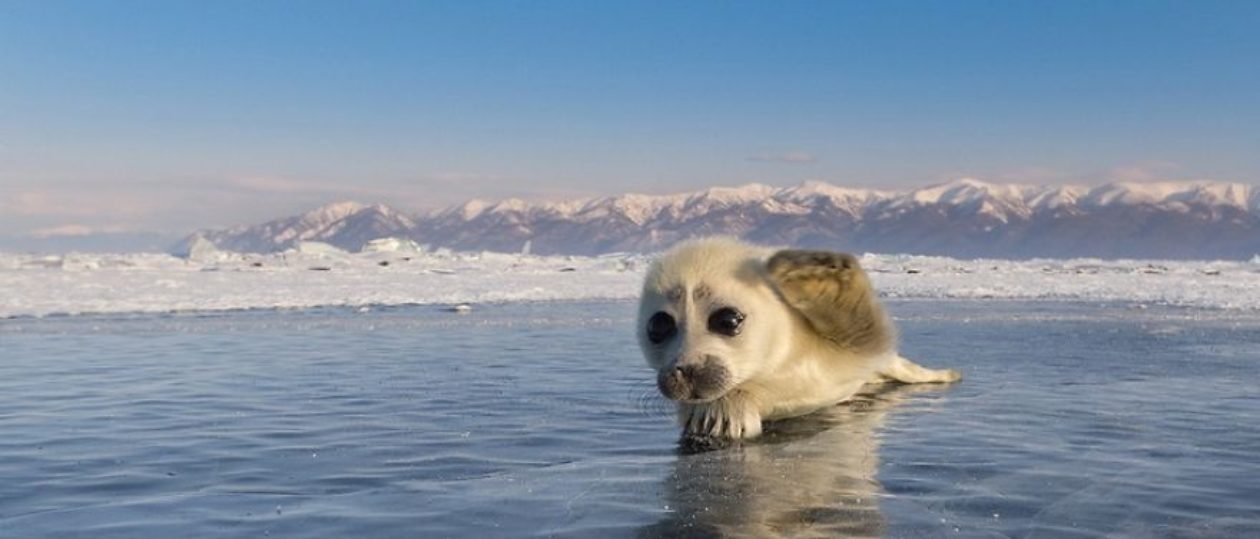
I just thought I would share this beautiful photo with you!
 April 20th marked the six year anniversary of the BP oil rig explosion in the Gulf of Mexico. Sadly, it was the largest man-made oil spill in history. 3 million barrels of oil were dumped into the water and caused the death of 11 men and countless animals. Again, I have never heard of a solar spill. It is time to end our use of fossil fuels like oil and natural gas. And it is time to end offshore drilling.
Here are some facts below.
NOAA reported 1,400 whales and dolphins have been found dead since 2010. And that number is likely to be very low since that was only the count of animals which washed ashore.
88% of nearly 360 dolphin babies and stillbirths had abnormal or underdeveloped lungs.
“The Deepwater Horizon oil spill severely harmed the reproductive health of dolphin living in the oil spill footprint,” veterinarian Teri Rowles, who is overseeing NOAA’s study of the ongoing die-off, said in a statement.
Dolphins in the spill area were also more likely to lose their babies and suffer infections during their gestation periods.

Tomorrow is Earth Day and I wish to share the wonderful piece of advice below.
“Treat the Earth well: it was not given to you by your parents, it was loaned to you by your children. We do not inherit the Earth from our ancestors, we borrow it from our children.” –American Indian Proverb
 The other week I was watching a program about warming Arctic waters and was deeply saddened by the changes happening there. Arctic summers are increasingly becoming ice-free because of our dependence on fossil fuels and mounting carbon emissions. The situation has far-reaching effects for wildlife. In the past you would find huge blocks of floating ice and snow-covered land masses. Now the waters are empty of ice, and polar bears are left to swim very long distances to rest or find prey. Scientists are also seeing more and more orca whales in these northern waters. Previously, orcas would not venture into the area because their fins could not penetrate the ice. Now, they are making thousand mile journeys to feed on other animals which breed their young in once “safe” territory.
As orcas move into the Arctic, they change and threaten an entire ecosystem. I watched them devastate an entire colony of narwhal. Narwhal are beautiful animals and are called the unicorns of the sea. They almost look like dolphins but are larger and have a long tusks that look like swords. Normally, narwhal find rest and safety in the waters of the Arctic. With melting ice the narwhal are left defenseless against the mighty orcas. The orcas, with their sharp intelligence and keen hunting instinct, quickly corner the narwhal and eat them for lunch.
It is so easy for us to forget the domino effect that climate change has on everything in our world. It alters habitats and devastates species. Our actions, or lack of action, have far-reaching consequences. Our choices, in every sphere of our lives, greatly affect other people and animals. We must reduce our carbon footprints and positively impact our planet.

I had such a great day. I had the chance to meet, up close, four owls. I went to the Audubon Center in Pennsylvania and was introduced to two screech owls and two great horned owls. They were so majestic and quite beautiful, especially Luna, one of the big great horned owls. The horned owl eyes really amazed me with their bright yellow and black colors. That said, owls have an amazing ability to see, and hear. They can see things humans would not ordinarily spot and also hear sounds we would not. I loved the sound the great horned owls made, it was a “hoo-hoo hoooooo hoo-hoo”. The screech owls, on the other hand, were much smaller and quieter. They did not make any sounds or display a large wing span.
The Audubon Center was taking care of these four owls because they each had lost sight in one of their eyes. Each of them had been struck by cars, as they were flying after their prey. If it was not for the Center these owls would probably be dead, because owls with poor eyesight would not be able to survive on their own.
I was moved by those owls and felt grateful to the Center for taking care of them. Too many times animals are victims of the society we live in with our fast cars, highways and relentless growth. Those owls touched me somehow, I felt happier after meeting them and humbled by their beauty. Many people say chocolate makes everything better. I say animals and nature make everything better.
 I became aware of thrombosis and pulmonary embolisms about five years ago and wanted to share what I know about them with you. In a nutshell, thrombosis means your blood is clotting. Blot clots occur for a number of reasons including immobility, damage to a vein, or because of health and environmental reasons. When a clot blocks a blood vessel it can cause serious health problems and even death. An embolism occurs when the clot breaks up and pieces of it enter the lungs.
I urge you to learn more and protect yourself, your loved ones, and your pets. And perhaps you would like to support the fundraiser noted in the photo to help promote awareness and prevent needless tragedy. Sadly, the young lady pictured above died because people in her life (including doctors) were not aware of the signs and symptoms of deep vein thrombosis or pulmonary embolism.
Some signs and symptoms include: redness, swelling, and difficulty breathing.
For more information and tickets please go to the following website. http://www.katiesvoice.org
Thank you.
 Let me introduce you to Dindim, a South American Magellanic penguin. He swims 5,000 miles every year to see his special friend.
In 2011 Joao Pereira de Souza found Dindim, covered in oil and close to death. For 11 months Souza nursed the penguin back to health. Dindim has now been visiting his friend every year for the past four years. Souza, a retired bricklayer and fisherman, lives in Brazil.

Last week I had the chance to watch the film “Racing Extinction”. It tells the amazing story of people who are making a difference, saving and protecting animals every day. These people include race car drivers, former chief executive officers, artists and scientists. Don’t miss it.

“The Lorax” is a great book and film designed for all ages. Please read the book or see the film.

A few weeks ago I had the chance to visit New Orleans, Louisiana or NOLA as it is affectionately called. It was fun to walk around the French Quarter and hear all of the live street music and gaze at some of the beautiful French and Spanish architecture. I also enjoyed the warm weather and riding on the old trolley cars. New Orleans has a rich history, being founded by the French and then ruled by the Spanish for 40 years. It was not until 1803 that it was bought by the United States.
New Orleans is well-known for Mardi Gras, and the carnival season of more than 60 parades, music, dances and hundreds of private parties which precede it. Mardi Gras is French for Fat Tuesday, and carnival, from Latin, means farewell to flesh. Carnival season begins on January 6th and ends on Fat Tuesday (which falls 46 days before Easter).
While I can appreciate a great parade, good music and dance, I am dismayed by all of the waste created by millions of plastic beads, drinking cups, and food containers. It ends up everywhere –on trees, in bushes, on fences and in the water. Scientific reports have already warned us of the dangers of plastic. Plastic water bottles leach off toxins into the very water we drink. And eventually, plastic ends up in the stomachs of the very fish we catch and eat. Plastic can cause cancer, birth defects, infertility, obesity and impaired immune function. It is time for New Orleans to change its ways. One solution would be to put a 5 cent charge on water and soda bottles, and start recycling. Another solution would be for New Orleans to totally ban plastic bags, like Mexico City. Come on New Orleans, it is time to reduce your waste!